How Humanitarian Cash Assistance Works
Humanitarian cash helps households meet urgent needs when goods and services are available. Learn how agencies assess markets, set payment amounts, deliver assistance, and check whether it works.

Humanitarian cash helps households meet urgent needs when goods and services are available. Learn how agencies assess markets, set payment amounts, deliver assistance, and check whether it works.


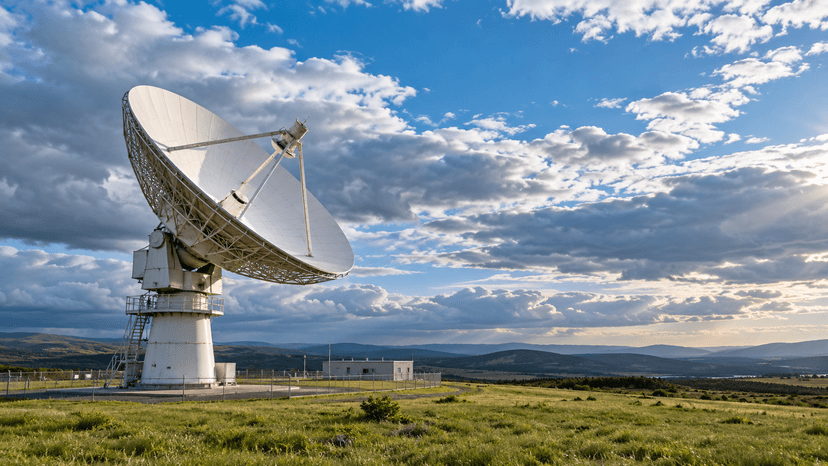
Weather satellites do more than photograph clouds. Learn how different orbits, ground observations, data sharing, and forecasting systems turn space-based measurements into useful predictions.

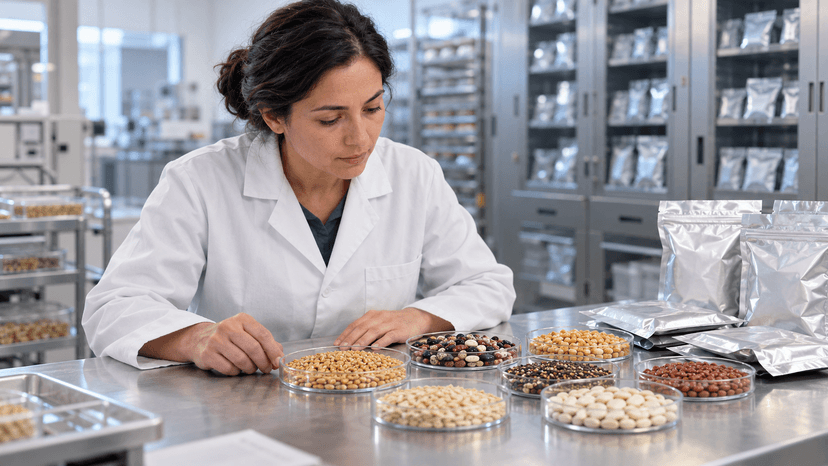
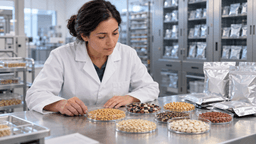
Seed banks preserve the crop diversity that agriculture may need tomorrow. Explore how collections stay alive, why backup vaults matter, and how stored seeds become useful to farmers.

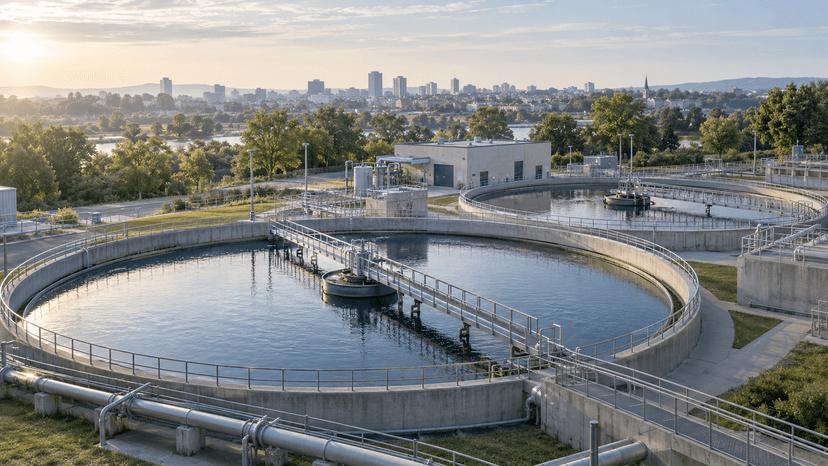
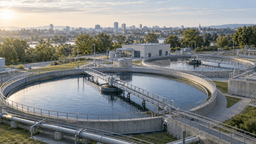
Sewage can reveal disease signals before every infection appears in clinical reports. Learn how wastewater monitoring works, what its results mean, and why public-health action needs more than a sample.
Humanitarian cash helps households meet urgent needs when goods and services are available. Learn how agencies assess markets, set payment amounts, deliver assistance, and check whether it works.

Weather satellites do more than photograph clouds. Learn how different orbits, ground observations, data sharing, and forecasting systems turn space-based measurements into useful predictions.

Seed banks preserve the crop diversity that agriculture may need tomorrow. Explore how collections stay alive, why backup vaults matter, and how stored seeds become useful to farmers.

Sewage can reveal disease signals before every infection appears in clinical reports. Learn how wastewater monitoring works, what its results mean, and why public-health action needs more than a sample.

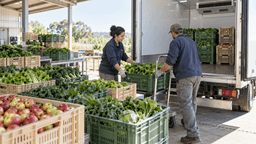
Growing more food is only part of feeding people. Learn how cooling, transport, reliable power, and affordable storage keep perishable food usable from harvest to market.

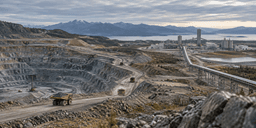
A new mine does not automatically create a new source of battery or grid materials. Follow the steps from extraction to refining, manufacturing, and recycling to see where supply risks persist.